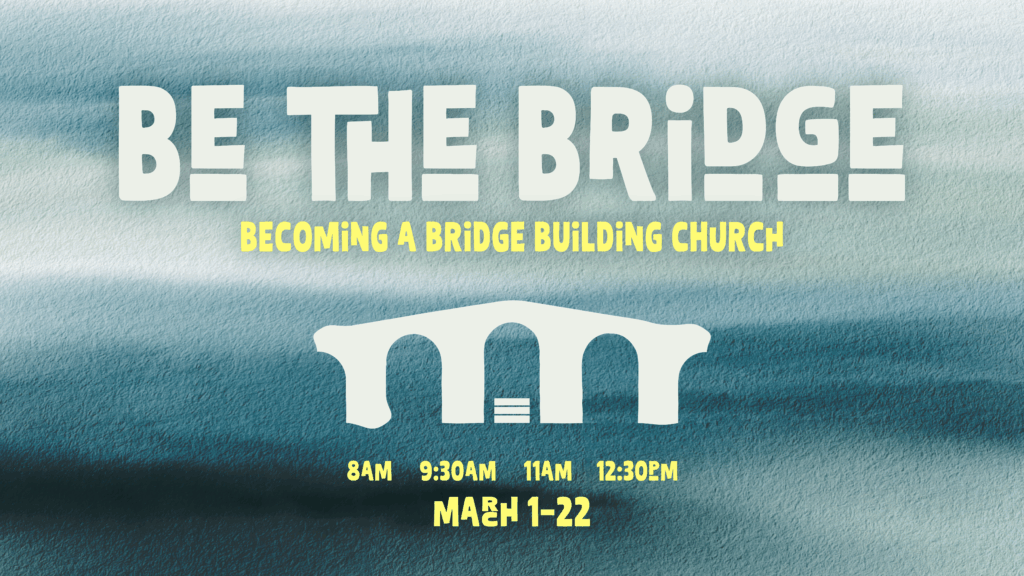
Be the Bridge
Soul City has a vision of being a bridge building church. In this series, we will explore what that means and what it looks like in our lives and community. Rooted in Scripture and in collaboration with our partners at Be The Bridge, we will learn about God’s heart for diversity, justice, and reconciliation and why this work is central to following Jesus.
FAQ
Why are we talking about this topic?
Because reconciliation is central to the Gospel. Scripture teaches that Jesus reconciles us not only to God, but to one another as well (2 Corinthians 5:16–21; Ephesians 2:13–22). Bridge building is not a peripheral issue, it is part of our personal and communal spiritual growth.
Is this series political?
No. This series is Biblical. While conversations about race often show up in political spaces, our focus is rooted in Scripture and the call of Jesus. Diversity, justice, and reconciliation were God’s ideas long before they were political talking points (Genesis 1:26–27; Revelation 7:9–10).
What does it mean that Soul City is a “Bridge Building Church”?
It means we believe God has called us to intentionally pursue racial reconciliation as an expression of the Gospel. Bridge building is about cultivating humility, listening across differences, telling the truth about injustice, and committing to relationships that reflect the multiethnic Kingdom of God.
Isn’t the church supposed to just preach “Jesus”?
Yes, absolutely. And the good news about Jesus is bigger than we often reduce it to. Through His life, ministry, death, resurrection, and ascension, Jesus reconciles us to God and invites us into flourishing life with Him. That reconciliation is not only vertical, it is also horizontal. The same grace that restores us to God reshapes how we relate to one another. The Early Church wrestled directly with ethnic diversity and cultural barriers (Acts 10; Galatians 2; Ephesians 2), not as distractions from Jesus, but as an implication of following Him. So yes, we preach Jesus. And because we preach Jesus, we pursue reconciliation.
What if I’m tired of conversations about race?
Fatigue is real. These conversations can feel heavy and emotionally draining. It’s okay to name that. At the same time, we need to recognize that fatigue in this topic is not experienced equally. For people of color, race is not just a conversation, it’s a daily lived reality. Often, they carry the added burden of educating others, sharing painful experiences, or proving that certain realities exist. That kind of weight is exhausting in a different way. Galatians 6:9 calls us not to grow weary in doing good. However, that is not by pushing through alone, but by moving forward together. Reconciliation is not the responsibility of a few; it belongs to the whole community. So if you feel tired, you’re not alone. And if you’ve been carrying more than your share, you shouldn’t have to. The invitation is shared responsibility.
Is this series about shame and guilt?
No. This series is about truth and hope. For many people, conversations about race can trigger shame, fear, or defensiveness. It’s important to say clearly: condemnation is not conviction. Romans 8:1 reminds us that in Christ there is no condemnation. But following Jesus does involve honest reflection and growth. Naming challenging realities is not about shaming individuals. It's about telling the truth and bringing things to the light. Jesus can only transform in us what we are willing to bring to Him. Because we have security in Christ, we don’t have to be defensive. We’re free to ask, “Where might I have blind spots? Where is Jesus inviting me to grow?”
What does the Bible actually say about diversity and reconciliation?
Great question! Join us on Sunday March 8th at either 8:00am, 9:30am, 11:00am, or 12:30pm.
How can I take a next step?
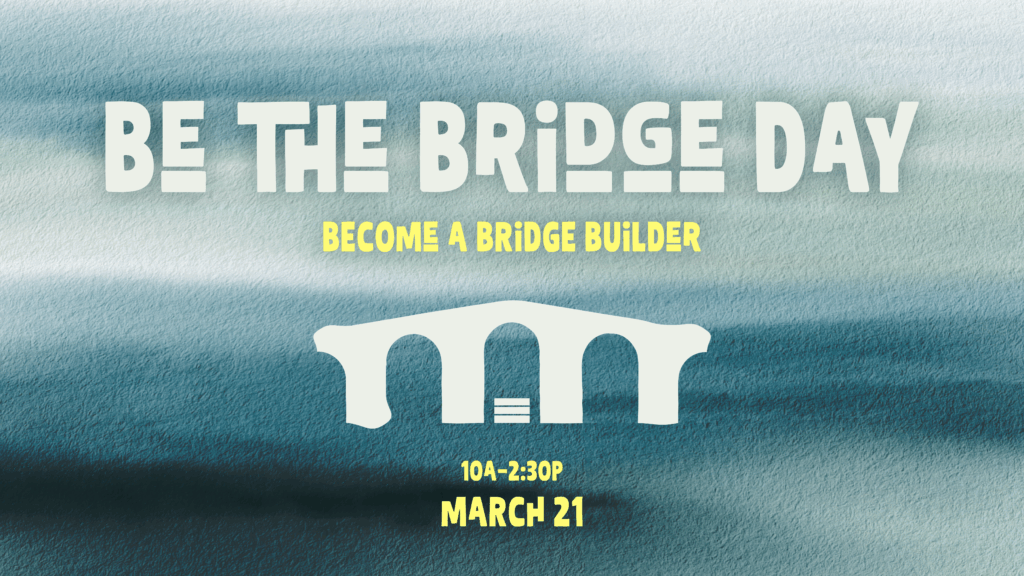
- If you want to learn more outside of Sunday, come experience our Be The Bridge Day. This is a day long workshop designed to dive deeper into Biblical diversity, justice, and reconciliation all in the context of dialogue.
- You can always check out our additional resources below!
Be the Bridge Day
Join us for our Be The Bridge Day, a guided experience designed to help us explore Biblical justice, courageous conversations, and Christ-centered reconciliation. During this four-hour workshop, we’ll create intentional space to learn, reflect, and engage in meaningful dialogue around topics like race, culture, and the Church. Come ready to listen, grow, and participate in conversations that move us toward deeper unity.
Bridge Buidling Resources
Deconstruction + Bridge Building
Discipleship & Biblical Studies Resources
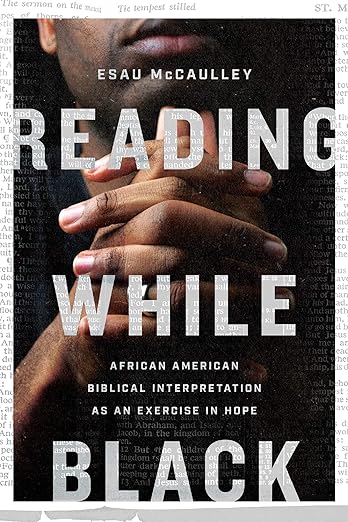
Esau McCaulley — Groundbreaking book on Scripture and Black church hermeneutics, ideal for pastors and Bible study groups.
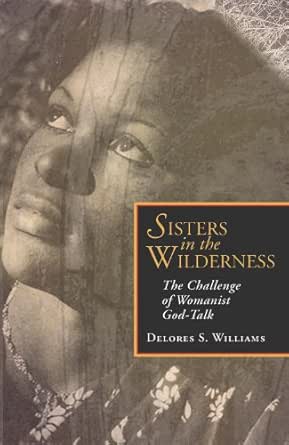
Drawing on the biblical figure of Hagar mother of Ishmael, cast into the desert by Abraham and Sarah, but protected by God Williams finds a prototype for the struggle of African-American women.
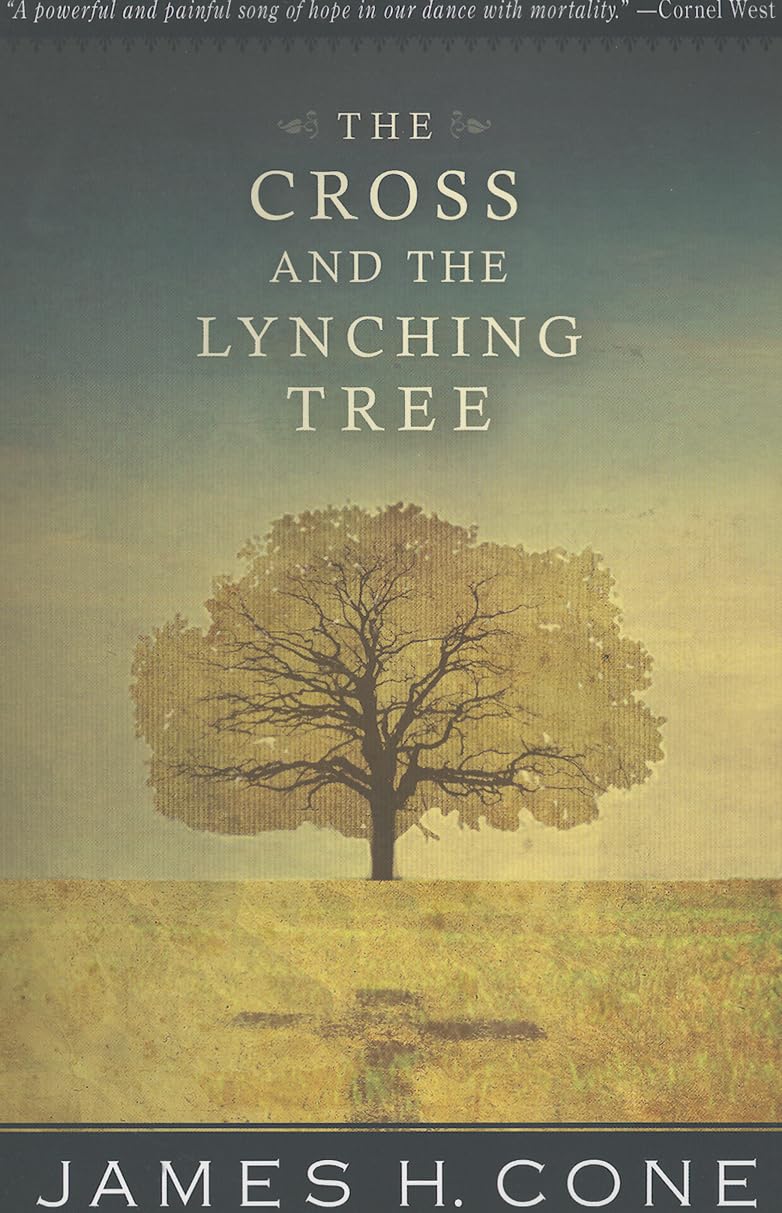
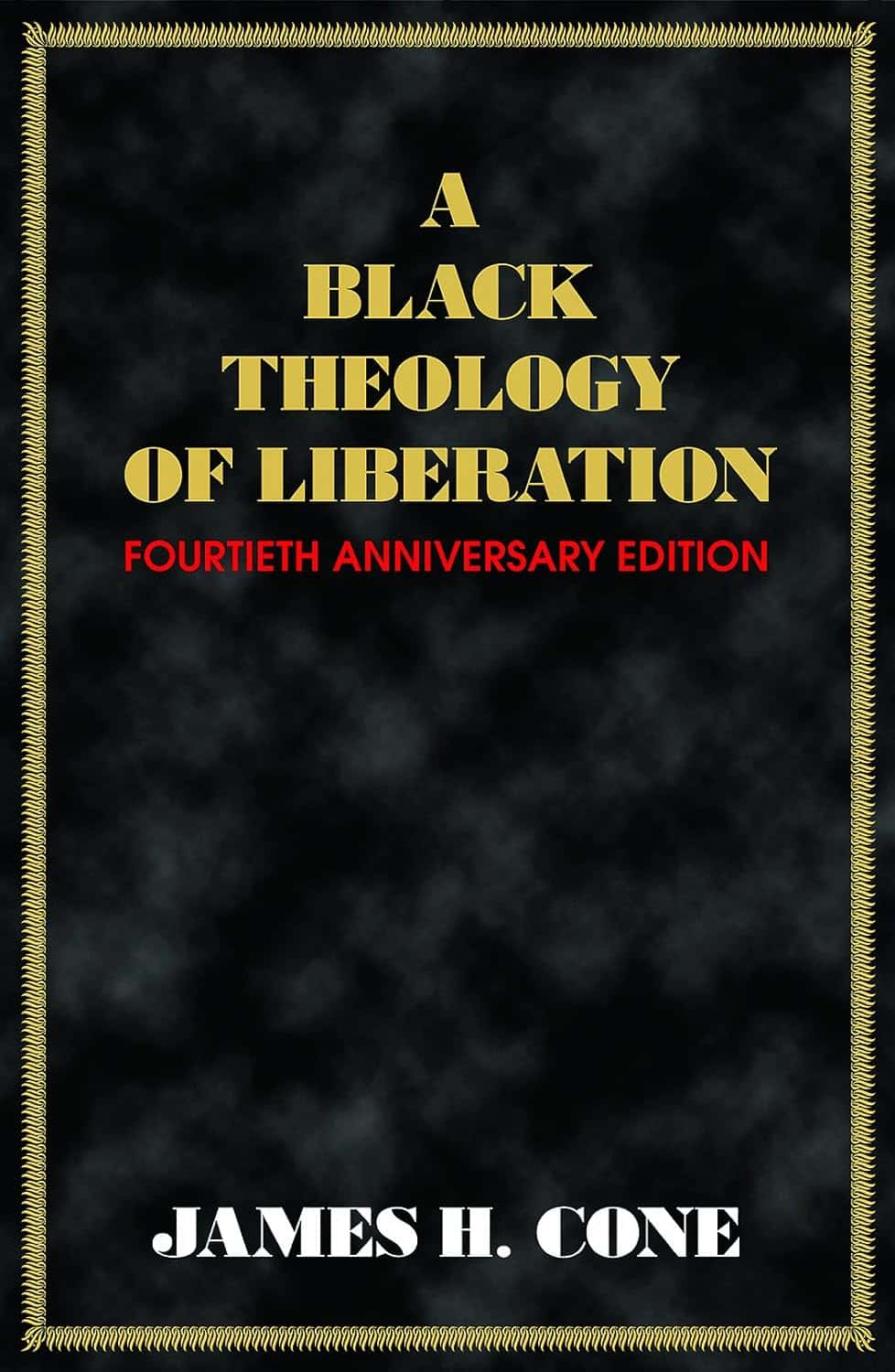
James H. Cone — A powerful theological reflection on suffering, the cross, and African American history.
A unique nonprofit combining community space and mental health support, providing free therapy and safe gathering places.